Building a Cross-Border E-Commerce Brand from Scratch
Launching a cross-border e-commerce brand from scratch requires a structured approach that accounts for regulatory differences, payment preferences, logistics networks, and consumer expectations across multiple regions. For American entrepreneurs targeting Europe and Latin America, the process typically begins with a careful assessment of market conditions, competitive landscapes, and operational feasibility rather than a rush to establish a storefront. The complexity increases when considering that each country within these regions may have distinct import regulations, tax structures, and payment habits that influence how a brand is perceived and how transactions are completed.
A methodical framework emphasizes transparency and adaptability, allowing entrepreneurs to build a foundation that can evolve as market feedback is gathered. This article outlines key considerations for market entry strategies, payment processing options, and fulfillment approaches, while highlighting the importance of understanding local requirements and maintaining compliance. The focus is on process-oriented guidance that supports informed decision-making without prescribing specific outcomes, as success depends on multiple external factors including demand, execution quality, and regulatory changes.
By examining these components in a neutral and factual manner, entrepreneurs can develop a clearer picture of the steps involved in cross-border expansion. The discussion below is intended to provide a conceptual map rather than a guaranteed roadmap, recognizing that each brand’s journey is shaped by its unique product category, target audience, and resource availability.
Market Entry Strategies for Europe and Latin America
Entering a new geographic market requires a disciplined evaluation of demand, competition, and regulatory entry barriers. For Europe, entrepreneurs often consider the diversity of languages, consumer protection laws, and value-added tax (VAT) regimes that vary by country. A common approach involves prioritizing a subset of countries with similar characteristics—such as the DACH region or the Nordic countries—to test operational workflows before scaling to broader regions. This phased method allows for learning about local preferences and adjusting marketing messages without committing extensive resources upfront.
In Latin America, market entry frequently involves navigating customs procedures, import duties, and payment preferences that can differ significantly from U.S. norms. Countries like Mexico, Brazil, and Chile have large e-commerce markets but also present logistical challenges such as varying delivery times and cash-based payment habits. Entrepreneurs may benefit from partnering with local experts or using regional platforms to gain initial visibility, while gradually building brand recognition through localized content and customer service. Regardless of the region, a thorough market assessment should include an analysis of consumer behavior, competitor pricing, and the legal framework for foreign-owned businesses.
Another consideration is the choice between direct-to-consumer (DTC) and marketplace-based entry. DTC allows greater control over branding and customer data but requires investment in marketing and logistics. Marketplaces can provide immediate access to traffic but may limit brand differentiation and impose platform-specific rules. A hybrid approach—using marketplaces for discovery and a DTC store for retention—is sometimes explored, though it requires careful management of pricing and inventory to avoid channel conflicts.
Ultimately, market entry is an iterative process that benefits from continuous learning and adjustment. Entrepreneurs should establish clear metrics for evaluating performance and be prepared to pivot strategies based on data rather than assumptions.
Payment Processing Considerations
Payment processing is a critical component of cross-border e-commerce, as it directly affects conversion rates and customer trust. In Europe, consumers are accustomed to a range of payment methods including credit cards, bank transfers, digital wallets (such as PayPal and local options like iDEAL in the Netherlands or Sofort in Germany), and buy-now-pay-later services. Offering multiple payment options can accommodate diverse preferences, but each method brings integration complexity and fee structures that must be evaluated against expected transaction volumes.
In Latin America, payment preferences vary widely by country. Brazil has a strong preference for installment payments via credit cards (often referred to as parcelamento) and the local boleto bancário, a cash-based payment method. Mexico shows high usage of cash-based payments like OXXO and SPEI bank transfers, while Argentina has specific regulations around foreign currency transactions. Understanding these preferences is essential for reducing cart abandonment and building trust with local shoppers.
From a technical perspective, payment processing involves merchant accounts, payment gateways, and fraud prevention tools. Entrepreneurs must consider currency conversion, chargeback handling, and compliance with data security standards such as PCI DSS. Partnering with a payment service provider that supports multi-currency processing and local acquiring can simplify the operational burden, but it is important to review contract terms, settlement timelines, and fee transparency. Additionally, some regions have specific invoicing requirements—for example, Brazil’s nota fiscal—that may require integration with local accounting systems.
Risk management is another facet, as cross-border transactions may have higher fraud rates. Implementing address verification, CVV checks, and velocity limits can help mitigate risks, though these measures should be balanced with user experience. Regular monitoring and reconciliation of payment data are also advisable to detect anomalies early.
Fulfillment and Logistics Options
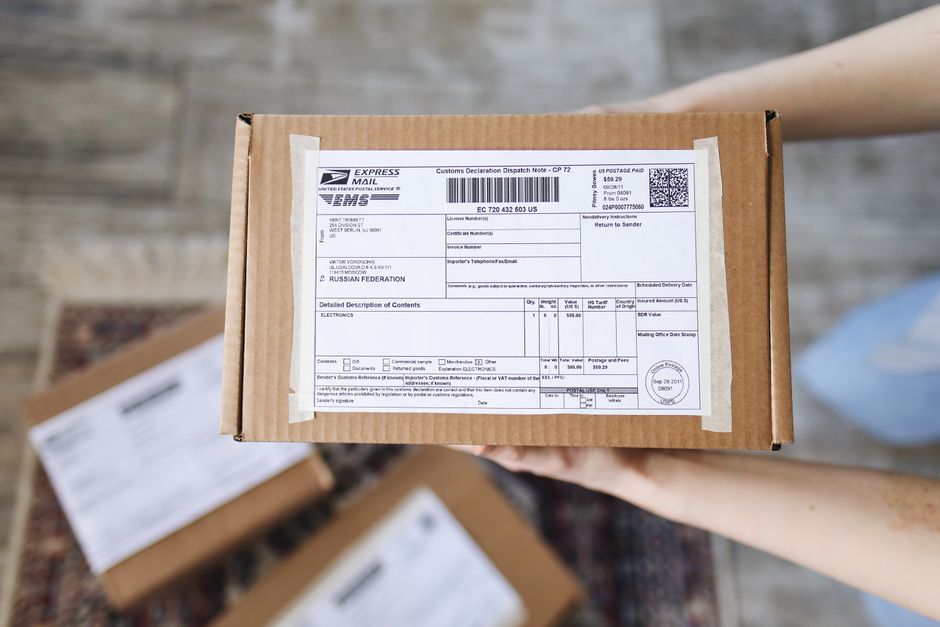
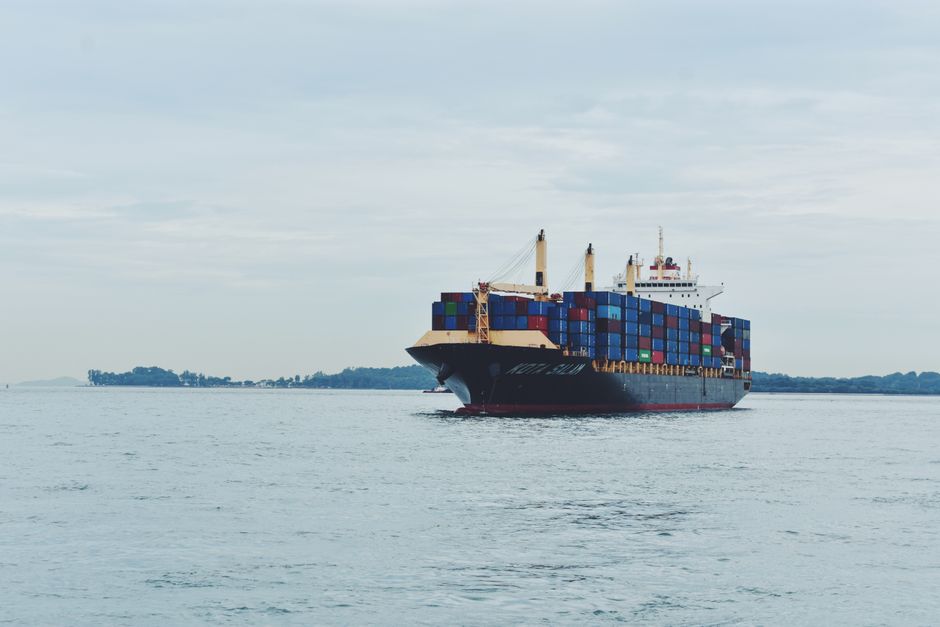
Fulfillment strategies for cross-border e-commerce generally fall into three categories: shipping from the U.S., using local fulfillment centers, or leveraging third-party logistics (3PL) providers with international networks. Each option has trade-offs in terms of cost, delivery speed, and control over the customer experience.
Shipping directly from the U.S. can be simpler for initial testing, as it avoids the need to establish overseas inventory. However, international shipping times can be lengthy, and customs clearance may cause delays or unexpected fees for customers. This approach may be suitable for low-volume, high-value products where customers are willing to wait, but it may not meet expectations in markets where fast delivery is standard.
Local fulfillment—storing inventory in warehouses within the target region—can reduce delivery times and lower shipping costs for bulk transfers. In Europe, countries like Germany, the Netherlands, and the UK offer robust logistics infrastructure and access to broader EU markets. In Latin America, Brazil and Mexico have established fulfillment networks, though regional differences in infrastructure quality should be considered. Using a 3PL provider can facilitate local storage and order fulfillment, but it requires accurate demand forecasting to avoid stockouts or excess inventory.
For brands using TradeBridge, a service that connects merchants with logistics partners, the focus is on providing visibility into shipping routes and customs processes. Regardless of the chosen method, entrepreneurs should account for packaging requirements, returns handling, and tracking capabilities. Returns management is particularly important in Europe, where consumer protection laws often grant a 14-day right of withdrawal, necessitating a clear returns process.
Customs and duties are inherent to cross-border fulfillment. Correctly classifying products and providing accurate documentation can help avoid delays and penalties. Some entrepreneurs use bonded warehouses or free trade zones to defer duties until goods are sold, but these arrangements require careful legal and financial planning.
Operational Integration and Compliance
Integrating market entry, payment processing, and fulfillment into a cohesive operational framework is essential for a smooth cross-border launch. This integration typically involves aligning technology systems—such as e-commerce platforms, ERP systems, and payment gateways—to ensure data consistency and efficient order management. Automation can reduce manual errors, but it should be implemented with oversight to handle exceptions.
Compliance is a cross-cutting concern that touches every aspect of the operation. In Europe, the General Data Protection Regulation (GDPR) imposes strict rules on customer data handling, while consumer protection laws govern advertising claims and return policies. In Latin America, data protection regulations are evolving, and country-specific rules may apply. Tax compliance, including VAT registration in Europe and import tax obligations in Latin America, requires professional advice to avoid costly mistakes.
Building a cross-border brand also involves cultural adaptation. Localized customer service, transparent communication about shipping times and fees, and respect for local customs can enhance trust. It is important to avoid assumptions based on U.S. market norms and instead gather feedback from local customers to refine the approach.
Risk Management and Continuous Improvement
Cross-border e-commerce inherently involves risks that should be identified and monitored. These include currency fluctuations, regulatory changes, logistics disruptions, and payment fraud. A risk management plan might include diversification of payment providers, maintaining buffer inventory, and staying informed about policy shifts through industry associations or legal advisors.
Continuous improvement is facilitated by tracking key performance indicators such as conversion rate, average order value, delivery time, and return rate. Analyzing these metrics by market can reveal opportunities for optimization. For example, if a particular payment method has a high abandonment rate, it may be worth investigating technical issues or adding alternative options.
Finally, entrepreneurs should recognize that cross-border expansion is a learning journey. Outcomes are influenced by many external factors, and what works in one market may not work in another. By maintaining a flexible and informed approach, brands can adapt to challenges and capitalize on opportunities as they arise.