Ocean Freight Rates in 2025: What Shippers Should Expect
Ocean freight markets in 2025 present a complex picture for U.S. shippers, shaped by shifting vessel capacity, evolving seasonal demand, and fluctuating fuel surcharges. The transatlantic and transpacific lanes, which carry a significant share of American import and export volumes, are influenced by a range of operational and economic factors that can alter rate structures throughout the year. Understanding these dynamics helps shippers plan budgets and negotiate contracts with greater clarity.
This article reviews the main components that contribute to container shipping costs, including capacity deployment, demand cycles, and bunker adjustment mechanisms. It does not predict specific rate levels but rather outlines the conditions that may affect pricing outcomes. By examining how these elements interact, shippers can develop a more informed approach to managing freight expenses in an uncertain environment.
The information is intended for educational and planning purposes, highlighting the importance of flexibility and scenario analysis when engaging with ocean carriers and freight forwarders.
Container Shipping Capacity and Its Influence on Rates
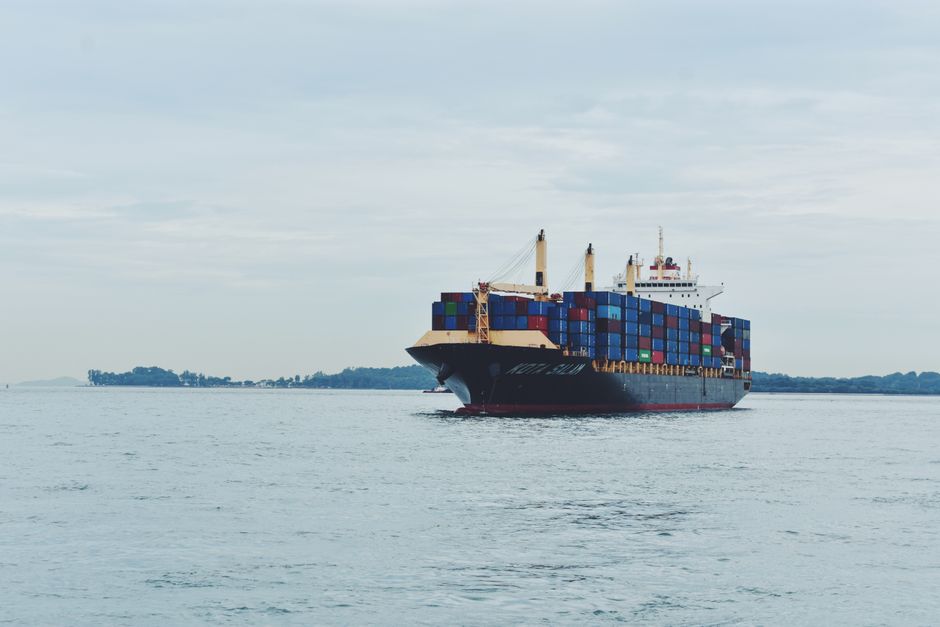
Capacity on major trade lanes is a foundational factor in ocean freight pricing. In 2025, the global container fleet continues to expand, with new vessel deliveries adding to available slot capacity. However, the distribution of that capacity across routes is uneven, and effective capacity can be reduced by port congestion, blank sailings, and equipment shortages. Shippers on the transatlantic and transpacific lanes should monitor how carriers allocate vessels and whether service strings are adjusted in response to demand signals.
The relationship between capacity and rates is not linear. When capacity is abundant relative to demand, rates tend to face downward pressure, but other cost components such as fuel and terminal handling can offset part of that effect. Conversely, periods of tight capacity, whether due to seasonal peaks or operational disruptions, may lead to higher rate levels. Shippers are advised to track capacity announcements and schedule reliability metrics as part of their rate management strategy.
New-build deliveries in 2025 are expected to contribute to overall capacity growth, but the pace at which these vessels are integrated into specific services matters. Carriers may deploy larger ships on the transpacific, cascading smaller vessels to the transatlantic, which can alter the supply-demand balance on both lanes. Additionally, alliance restructuring and slot-sharing agreements can influence how capacity is marketed and priced. A clear understanding of these structural elements helps shippers anticipate potential rate movements without relying on assumptions.
Seasonal Demand Patterns on Transatlantic and Transpacific Lanes
Seasonal demand fluctuations are a recurring feature of container shipping, and 2025 is no exception. The transpacific lane typically experiences a pre-Lunar New Year surge as importers stock up before Chinese factory closures, followed by a quieter period and then a build-up ahead of the peak summer and fall shipping seasons. The transatlantic lane has its own rhythm, influenced by European holiday periods, agricultural cycles, and consumer goods inventory cycles in the United States.
These patterns do not guarantee rate changes, but they create periods of tighter or looser capacity that can affect pricing. Shippers often adjust their booking timing to avoid the most congested periods, though such adjustments depend on inventory needs and sales forecasts. The interplay between demand surges and carrier capacity adjustments can lead to volatility in spot rates, while contract rates may provide more stability but are subject to negotiated terms and conditions.
In 2025, economic indicators such as consumer spending, retail inventory levels, and manufacturing activity in the U.S. and abroad will shape demand. Shippers are encouraged to incorporate multiple demand scenarios into their planning, recognizing that seasonal patterns may shift due to geopolitical events, weather disruptions, or changes in trade policy. Flexibility in routing and timing can help mitigate exposure to peak-season rate premiums.
Fuel Surcharges and Bunker Adjustment Mechanisms
Fuel costs represent a variable component of ocean freight rates, and bunker adjustment factors (BAF) are commonly used to pass a portion of fuel price fluctuations to shippers. In 2025, the price of marine fuels remains subject to global energy market dynamics, including crude oil prices, refining capacity, and environmental regulations such as IMO 2020 sulfur caps. Carriers may adjust BAF formulas periodically, and shippers should review how these mechanisms are applied in their contracts.
The transparency of fuel surcharge calculations varies among carriers, and shippers may benefit from requesting detailed breakdowns of BAF components. Some contracts include fuel surcharge caps or periodic reviews, which can provide a degree of predictability. However, fuel surcharges are only one element of the total freight cost, and their impact relative to base ocean freight can differ by lane and season.
It is important to note that fuel surcharges are not the sole determinant of rate changes; they interact with capacity and demand conditions. Shippers are advised to monitor fuel price indices and understand the specific BAF methodology used by their carriers. This knowledge supports more accurate cost forecasting and helps in evaluating the overall competitiveness of different service options.
Strategies for Shippers to Manage Freight Cost Uncertainty
Given the multifaceted nature of ocean freight rates, shippers can adopt a range of practices to manage uncertainty. Building a diversified carrier portfolio, engaging in regular rate benchmarking, and maintaining open communication with logistics partners are common approaches. TradeBridge works with shippers to provide market insights and facilitate informed decision-making, without guaranteeing specific outcomes.
Scenario planning is another useful tool. By modeling freight costs under different capacity, demand, and fuel price assumptions, shippers can identify potential budget variances and prepare contingency measures. This might include adjusting inventory strategies, exploring alternative ports or routings, or negotiating flexible contract terms that allow for volume adjustments.
Contract negotiation plays a critical role. Shippers may seek clarity on all cost components, including base rates, surcharges, and ancillary fees. Understanding the conditions under which rates can be adjusted, such as peak season surcharges or general rate increases, helps in setting realistic expectations. It is also advisable to review service reliability and schedule integrity, as these factors can affect total landed costs.
Conclusion: Navigating 2025 Ocean Freight Markets
Ocean freight rates in 2025 will continue to be shaped by a combination of capacity, seasonal demand, and fuel surcharges, with outcomes varying across trades and time periods. Shippers who stay informed about these factors and maintain flexibility in their logistics planning are better positioned to adapt to changing market conditions. The information provided here is intended as a general overview and does not constitute a guarantee of specific rate levels or results.
By focusing on transparency and methodology, shippers can engage with carriers and service providers more effectively. TradeBridge remains committed to supporting shippers with market intelligence and collaborative approaches, recognizing that freight cost management is an ongoing process rather than a one-time event.