How to Navigate US Tariffs on Imported Goods from Asia
Importing goods from Asia into the United States involves a complex framework of tariff classifications, duty rates, and evolving trade policies. For businesses sourcing from China, Vietnam, and other Asian markets, understanding these elements is essential to maintain compliance and manage costs. The tariff landscape has seen significant shifts in recent years, with new policies and adjustments that affect how goods are assessed and cleared through customs. This guide provides an overview of the key aspects importers need to consider when navigating US tariffs on Asian imports.
The process begins with correctly identifying the Harmonized Tariff Schedule (HTS) code for each product, as this determines the applicable duty rate and any special provisions. Additionally, recent trade actions, such as Section 301 tariffs on Chinese goods and changing trade agreements, add layers of complexity. Staying informed about these changes and adopting a systematic approach can help importers mitigate risks and ensure smooth transactions. Below, we explore the essential steps and considerations for effectively managing tariff obligations.
Understanding Tariff Classification and HTS Codes
Tariff classification is the foundation of import compliance. Every product entered into the United States must be assigned a Harmonized Tariff Schedule (HTS) code, which is a standardized numerical method used by customs authorities to categorize goods. The HTS code determines the duty rate, eligibility for trade programs, and any applicable regulations. For imports from Asia, accurate classification is critical because misclassification can lead to penalties, delays, or overpayment of duties. The HTS is maintained by the U.S. International Trade Commission and is updated periodically to reflect changes in trade policy and product descriptions.
To classify a product correctly, importers must consider its composition, function, and packaging, among other factors. The General Rules of Interpretation (GRI) provide a hierarchical framework for resolving classification issues. For instance, a product might be classified based on its essential character or its primary function. Given the complexity, many importers seek guidance from customs brokers or trade compliance experts to ensure accuracy. TradeBridge, for example, offers tools and resources to help importers navigate classification challenges, but the responsibility ultimately lies with the importer of record.
Recent changes in trade policy have introduced additional considerations for classification. For example, certain products may be subject to specific classifications under new trade actions, such as those related to technology or strategic materials. Keeping abreast of these updates is vital to avoid compliance issues. Importers should regularly review their product classifications, especially when sourcing from multiple Asian countries, as the same product may have different classifications depending on its origin and the specific trade agreements in place.
Duty Rates and Recent Trade Policy Changes
Duty rates are the taxes imposed on imported goods, typically calculated as a percentage of the customs value. The base duty rate for a product is determined by its HTS code, but additional duties may apply under specific trade policies. For imports from China, the Section 301 tariffs have imposed additional duties on a wide range of products, with rates varying by product and often subject to periodic adjustments. Similarly, imports from Vietnam and other Asian countries may be affected by anti-dumping and countervailing duties (AD/CVD) if goods are sold below fair value or receive unfair subsidies. These additional duties can significantly impact the total landed cost of goods.
Recent trade policy changes have also focused on supply chain transparency and forced labor concerns, leading to restrictions on certain products from specific regions. For instance, the Uyghur Forced Labor Prevention Act (UFLPA) affects imports from China’s Xinjiang region, requiring importers to demonstrate that goods were not produced with forced labor. Such policies add a layer of due diligence for importers sourcing from Asia. Staying current with these changes is essential, as they can affect both duty rates and admissibility of goods. TradeBridge provides updates and analysis on trade policy developments, helping importers understand the implications for their specific supply chains.
To manage duty rates effectively, importers should consider strategies such as tariff engineering, which involves modifying a product’s design or classification to potentially reduce duties, or utilizing free trade zones (FTZs) to defer duties until goods leave the zone. However, these strategies must be carefully evaluated for compliance with customs regulations and may not be suitable for all products. Engaging with trade professionals and leveraging available resources can help importers make informed decisions.
Country of Origin and Its Impact on Tariffs
Country of origin is a critical factor in determining tariff liability. The origin of a product is not necessarily where it was shipped from, but where it was wholly obtained or underwent substantial transformation. For imports from Asia, establishing the correct origin is essential because different countries have different trade agreements and tariff rates with the United States. For example, goods from China may be subject to Section 301 tariffs, while goods from Vietnam might qualify for lower rates under normal trade relations or specific trade programs. However, with the rise of transshipment concerns, U.S. Customs and Border Protection (CBP) scrutinizes origin claims closely, particularly for goods that may be merely passing through a country to avoid tariffs.
To determine origin, importers must apply the substantial transformation test, which considers whether a product has been fundamentally changed in the country of origin. This often involves analyzing the manufacturing process, including assembly, processing, and value-added activities. For products sourced from multiple Asian countries, it is important to document each stage of production to support origin claims. Failure to accurately declare origin can result in penalties, seizure of goods, and loss of import privileges. Importers should maintain detailed records and work with suppliers to ensure transparency.
Recent trade policy changes have also introduced origin-specific requirements for certain products, such as those in the textile and apparel sectors, where rules of origin are particularly stringent. Additionally, the USMCA (United States-Mexico-Canada Agreement) and other trade agreements may offer preferential treatment for goods that meet specific origin criteria, but these are generally not applicable to Asian imports unless they incorporate materials from member countries. TradeBridge can assist importers in understanding origin rules and documenting compliance, but importers must ultimately ensure the accuracy of their declarations.
Compliance Strategies and Documentation
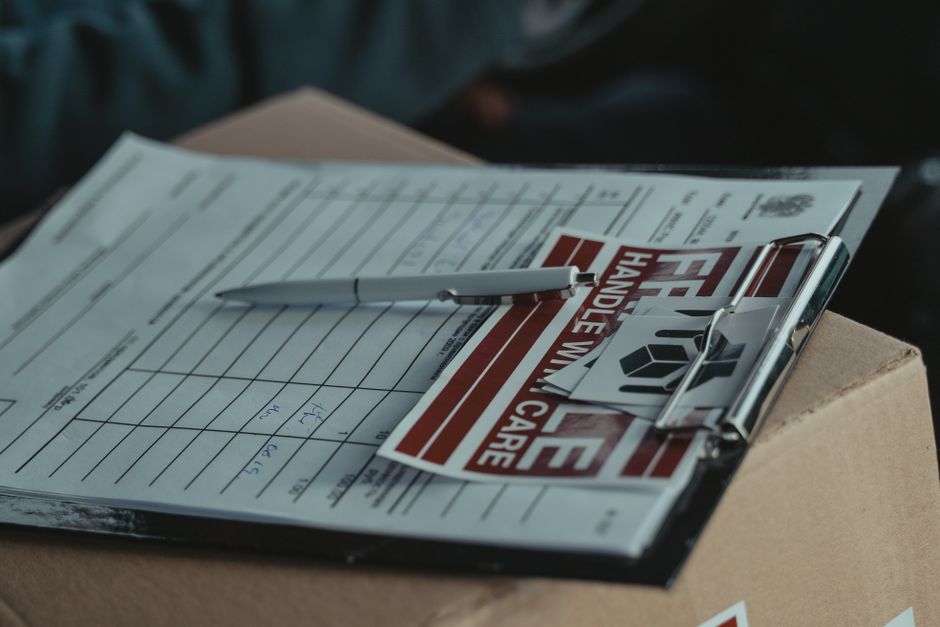
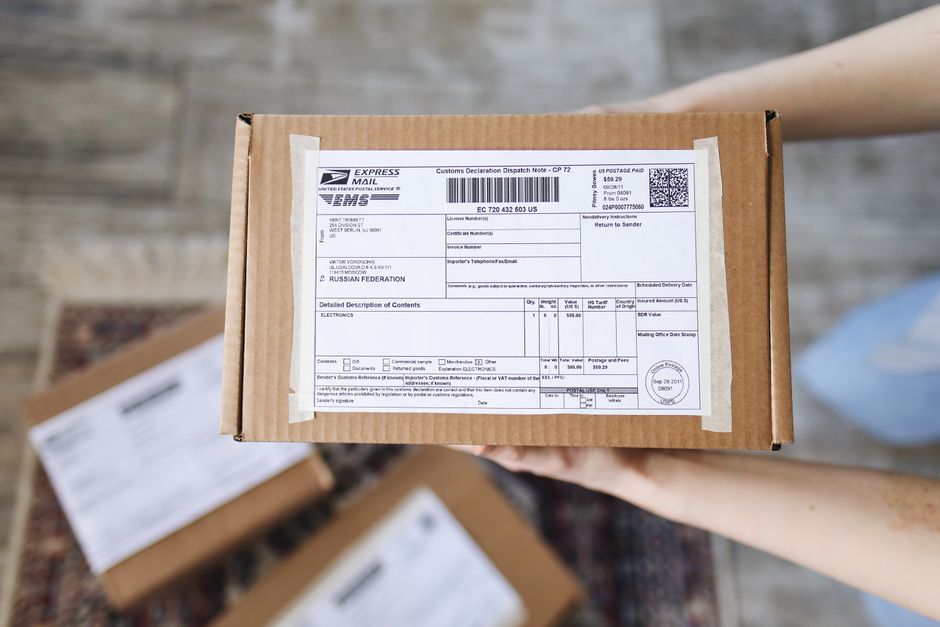
Compliance with U.S. customs regulations requires meticulous documentation and a proactive approach. Importers must maintain records of all import transactions, including commercial invoices, packing lists, bills of lading, and classification and origin documentation. These records should be kept for at least five years from the date of entry and made available to CBP upon request. Incomplete or inaccurate documentation can lead to penalties, delays, and increased scrutiny. Given the complexity of tariff and trade policies, many importers invest in compliance software or engage customs brokers to manage documentation and filing processes.
An effective compliance strategy includes regular internal audits to identify and correct potential issues before they become formal problems. This involves reviewing classification, valuation, and origin determinations, as well as ensuring that all required certifications and licenses are in place. For products subject to additional duties or restrictions, such as those under Section 301 or UFLPA, importers should establish specific procedures to verify compliance with those requirements. Training staff on customs regulations and maintaining open communication with suppliers are also key components. TradeBridge offers resources and guidance to help importers build robust compliance programs, but the responsibility for compliance remains with the importer.
Another important aspect is responding to CBP inquiries and audits in a timely and accurate manner. Importers should have a designated point of contact for customs matters and a process for handling requests for information. If an error is discovered, voluntary disclosure may mitigate penalties. Engaging with legal counsel or trade consultants can be beneficial when facing complex compliance issues. Overall, a proactive and well-documented compliance approach helps importers navigate the evolving tariff landscape with greater confidence.
Leveraging Technology and Expert Guidance
Technology plays an increasingly important role in managing import compliance and tariff obligations. Various software platforms offer features such as automated HTS classification, duty calculation, and trade policy alerts. These tools can help importers stay organized and reduce the risk of errors, but they should be used in conjunction with professional judgment. For example, classification algorithms may not account for nuanced product characteristics, so human review is often necessary. TradeBridge provides a suite of digital tools designed to assist importers with tariff research and compliance monitoring, but importers should always verify the information and apply it to their specific circumstances.
Expert guidance is equally valuable. Customs brokers, trade attorneys, and compliance consultants can provide specialized knowledge on complex issues such as tariff engineering, origin planning, and responding to CBP actions. Building a relationship with a trusted advisor can help importers navigate uncertainties and adapt to policy changes. When selecting a service provider, importers should consider their experience with Asian supply chains and their understanding of recent trade policies. While TradeBridge offers educational content and tools, it does not replace the need for personalized advice from qualified professionals.
In conclusion, navigating US tariffs on imported goods from Asia requires a structured approach that includes accurate classification, understanding of duty rates and trade policies, careful origin determination, and robust compliance documentation. By staying informed and leveraging available resources, importers can better manage their tariff exposure and maintain smooth import operations. The information provided here is for general guidance and should not be construed as legal or professional advice; importers are encouraged to consult with qualified experts for their specific situations.